 San Jose Earthquakes
Introduction
The San Jose Earthquakes have displayed a mix of promise and inconsistency in their recent matches. While there have been flashes of brilliance, particularly in transitional play, the team has often struggled to convert chances and maintain defensive solidity. As the Quakes seek to solidify their standing in the league, a tactical analysis of their recent performances shows the need for some key adjustments, particularly in their attacking strategy and defensive organization.
Attacking Structure
One of the most notable aspects of the Quakes' recent form is their approach in the final third. The attacking unit, led by the likes of Jeremy Ebobisse and Cristian Espinoza, has shown the capability to create opportunities but has frequently fallen short in execution. To address this, a more structured attacking framework could be beneficial.
1. Utilizing Width: The Quakes have often relied heavily on central play, which has led to congestion in the midfield and reduced options for creating goal-scoring opportunities. Encouraging full-backs like Marcos López and Tommy Thompson to push higher and provide width can stretch opposing defenses, allowing more space for central players to operate. This could facilitate better crossing opportunities and exploit the pace of wingers.
2. Combination Play: Incorporating more one-twos and quick combinations in and around the box can help break down stubborn defenses. Instead of relying on isolated dribbles, encouraging players to engage in quick passing sequences can create openings. This requires a greater understanding and chemistry among forwards and midfielders, which can be cultivated through focused training sessions.
Defensive Organization
On the defensive side, the Earthquakes have shown vulnerability, particularly during transitions. Opponents have capitalized on moments when the Quakes fail to recover quickly after losing possession. To improve resilience, the following tweaks are suggested:
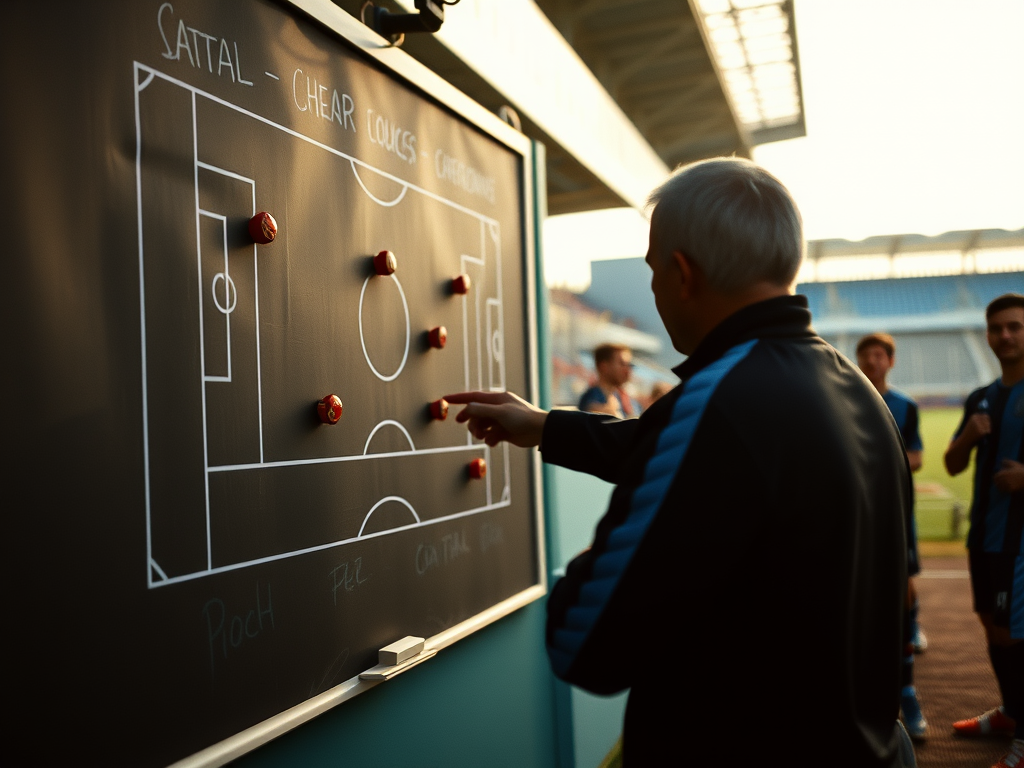
1. Compactness: Reinforcing the midfield to support the backline can ensure that the team remains compact when defending. This could involve a shift to a 4-2-3-1 formation, where two holding midfielders can shield the defense while also offering passing outlets for quick transitions.
2. Pressing Triggers: Implementing specific pressing triggers can help regain possession higher up the pitch. By identifying key moments when the opposition is vulnerable—such as during goal kicks or when they play out from the back—the Quakes can initiate a coordinated press, potentially leading to high turnovers and quick attacking opportunities.
Player Roles and Responsibilities
Additionally, tweaking player roles may enhance the overall effectiveness of the team. For instance, assigning a dedicated playmaker role to a midfielder like Jackson Yueill could allow him to dictate the tempo and distribute the ball more effectively, especially in tight spaces. Meanwhile, giving more freedom to wingers to cut inside could create additional goal-scoring threats while also drawing defenders out of position.
Conclusion
As the San Jose Earthquakes look to build momentum in the latter part of the season, implementing these tactical adjustments could be crucial for their success. By enhancing their attacking structure, reinforcing defensive organization, and clearly defining player roles, the Quakes can elevate their performance on the pitch. Fans will undoubtedly be eager to see how these changes unfold as the team strives for consistency and results.