 San Jose Earthquakes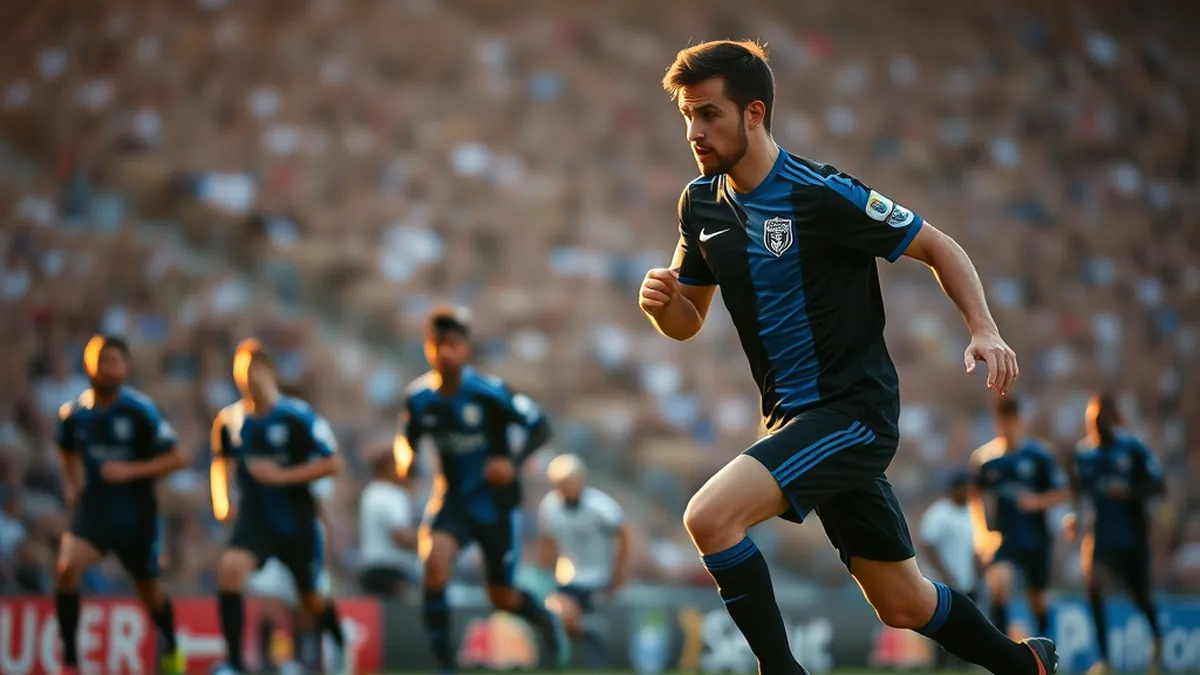
Tactical Tweaks for the Quakes: Enhancing Team Cohesion and Attack
The San Jose Earthquakes have shown flashes of brilliance in their recent matches, but inconsistencies have hindered their quest for a solid playoff position. An in-depth tactical analysis of their recent form reveals key areas where adjustments could lead to improved cohesion and attacking efficiency.
Midfield Dynamics: Balancing Creativity and Solidity
One of the most pressing concerns for the Quakes has been the midfield's ability to balance creative play with defensive responsibilities. In recent games, the midfield has often been caught in transition, leaving the backline exposed. To address this, coach Luca could consider implementing a double pivot system, allowing for greater stability while maintaining the ability to spring counter-attacks.
The pairing of Jackson Yueill and Judson could provide the necessary balance, with Yueill's vision and passing range complementing Judson's physicality and defensive prowess. This adjustment could not only secure ball retention but also facilitate quicker transitions to the attacking third, where the likes of Cristian Espinoza and Jeremy Ebobisse can exploit spaces.
Width and Wing Play: Stretching the Opponent’s Defense
The Quakes have often relied on central combinations, which can become predictable for opposing defenses. To add an element of surprise and exploit defensive weaknesses, utilizing the width of the pitch is essential. Luis Felipe and Eric Remedi should be encouraged to push wide, creating overlaps with the wingers. This tactical tweak can stretch the opposition’s backline and open up spaces for players making late runs into the box.
Additionally, Cade Cowell has shown potential on the left flank, but his effectiveness can be amplified if he is given the freedom to cut inside while fullbacks provide support from behind. This dual approach not only increases the attacking options but also allows for fluid movement that keeps defenders guessing.
Defensive Organization: Shoring Up the Backline
Defensively, the Earthquakes have exhibited lapses that have resulted in costly goals. A more structured defensive shape is crucial, especially during high-pressure situations. The introduction of a more compact defensive line could help maintain organization when the team loses possession.
Implementing a zonal marking system during set pieces and ensuring that players are aware of their roles will minimize the likelihood of conceding soft goals. The center-back pairing of Nathan and Tanner Beason must develop a stronger understanding to command the backline, enabling them to communicate effectively and respond to threats more cohesively.
Set Pieces: An Untapped Resource
Set pieces present a prime opportunity for the Quakes to increase their goal tally. Currently, they have not fully exploited this area, which can provide easy scoring chances if executed correctly. Investing time in set-piece training could yield dividends, as players like Oswaldo Alanis and Ebobisse are both aerial threats who could capitalize on well-placed deliveries.
By incorporating different routines and varying the delivery styles, the Quakes can keep opposing defenses on their toes, potentially turning dead-ball situations into critical scoring opportunities.
Conclusion: A Path Forward
Overall, the Quakes boast a talented roster capable of competing at a high level, but tactical tweaks are necessary to unlock their full potential. By focusing on midfield balance, utilizing width in attack, reinforcing defensive organization, and maximizing set-piece opportunities, the Earthquakes can improve their performance as they approach the business end of the season. With these adjustments, San Jose can not only aim for a playoff spot but also make a statement in the postseason.