 San Jose Earthquakes
Tactical Tweaks for the San Jose Earthquakes: Finding Balance in Recent Form
The San Jose Earthquakes have experienced a mixed bag of results in recent matches, showcasing both their attacking prowess and defensive vulnerabilities. As they navigate through the ups and downs of the season, it's essential to analyze their tactical framework and identify possible adjustments that could enhance their performance moving forward.
Current Form and Tactical Setup
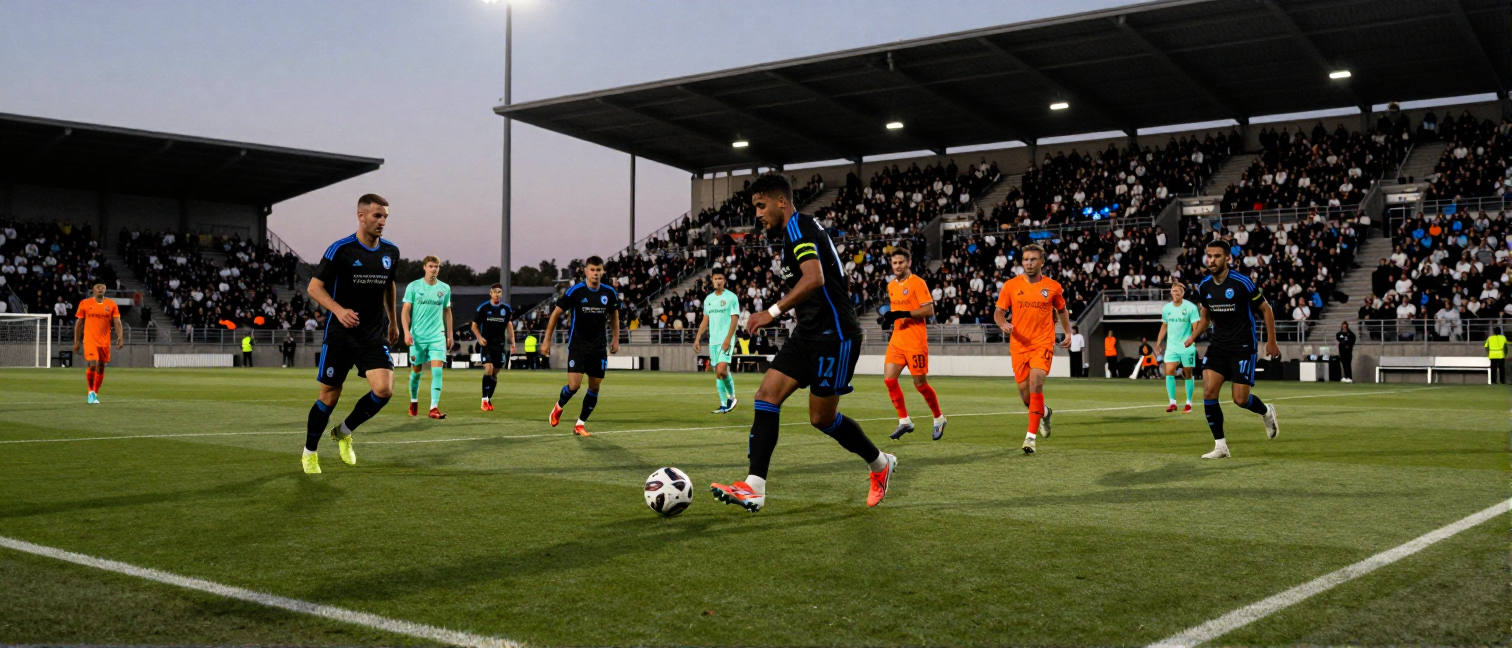
In their recent outings, the Quakes have predominantly utilized a 4-2-3-1 formation, which has allowed them to maintain a strong midfield presence while providing width through the flanks. The attacking trio behind the striker has been dynamic, with players like N. Adimabua frequently interchanging positions and creating opportunities. However, this fluidity has often come at the cost of defensive stability, leading to gaps that opponents have exploited on the counter.
Defensively, the Earthquakes have struggled with organization, particularly during transitions. The central midfielders, tasked with both breaking up opposition plays and initiating attacks, have occasionally been caught too high up the pitch, leaving the backline exposed. This imbalance has resulted in costly goals against, particularly in tightly contested matches.
Suggested Tactical Adjustments
1. Reassess the Midfield Dynamics: To address the issue of vulnerability during transitions, it might be beneficial to deploy a double pivot in midfield, utilizing two holding midfielders who can shield the backline more effectively. This adjustment would provide additional cover and allow the full-backs to push forward with more confidence, knowing they have adequate support behind them.
2. Utilize Width Effectively: While the current formation encourages width, the Quakes should prioritize utilizing the flanks to stretch opponents. Incorporating overlapping runs from the full-backs, combined with wingers who can cut inside or deliver precise crosses, would create more opportunities in the final third. This could also draw defenders out of position, creating space for central attackers to exploit.
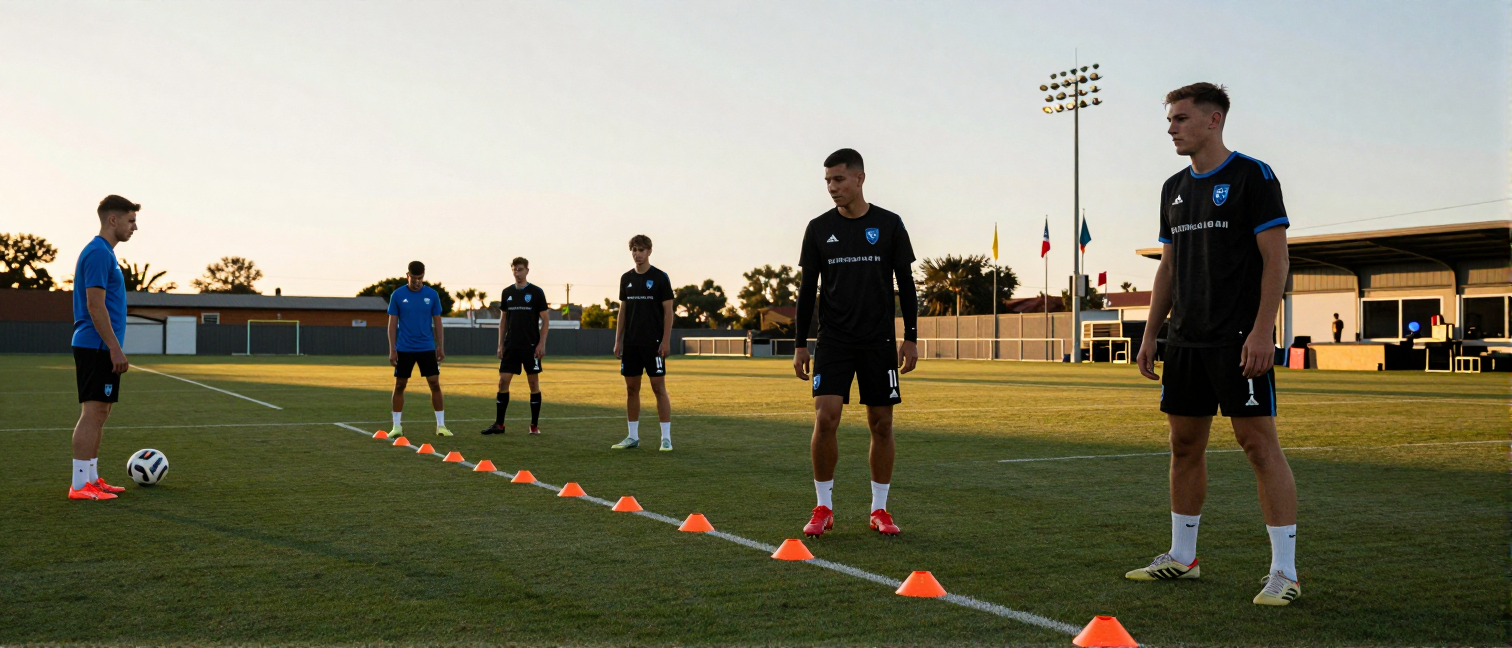
3. Enhance Defensive Cohesion: Improving communication and coordination among defenders is crucial. Implementing a more zonal marking system in set-piece situations, for example, could help mitigate the risk of conceding from corners and free-kicks. Regular defensive drills focused on positioning and awareness may foster a stronger collective defensive unit.
4. Refine Pressing Strategy: The Quakes have displayed an eagerness to press opponents high up the pitch, but inconsistent execution has allowed teams to bypass their press easily. A more structured pressing approach, with designated triggers for initiating pressure, could help the team win the ball back in advantageous areas and maintain attacking momentum.
Conclusion
The San Jose Earthquakes have the talent and potential to compete at a high level, but tactical refinements are essential to unlock their full capabilities. By reassessing their midfield balance, utilizing width more effectively, enhancing defensive cohesion, and refining their pressing strategy, the Quakes could transform their recent form and solidify their position in the league. As the team looks forward to crucial matches ahead, these tweaks could be the key to turning promise into consistent performance.