 San Jose Earthquakes Hub
Tactical Overview of Recent Form
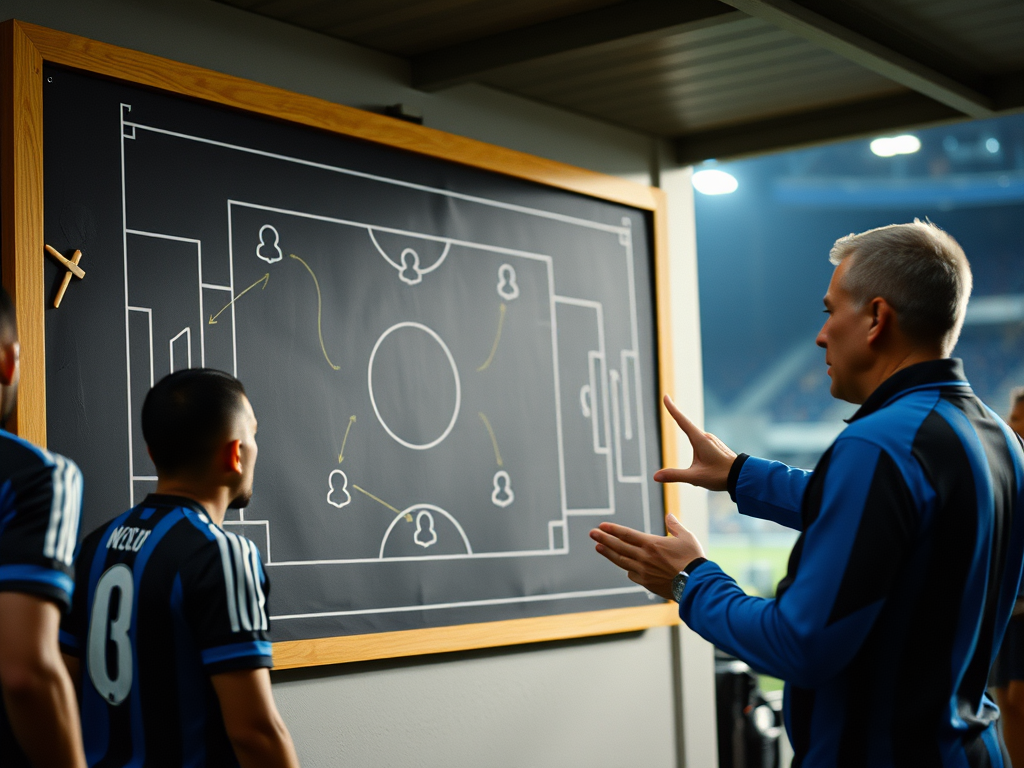
The San Jose Earthquakes have shown glimpses of their potential in recent matches, but inconsistency has plagued their performances. The team has oscillated between moments of brilliance and periods of disarray, particularly in the transition phases and defensive organization. To capitalize on their attacking talent while shoring up defensive weaknesses, several tactical tweaks can be implemented.
Emphasizing Midfield Control
One area that stands out is the midfield setup. Currently, the Earthquakes have been deploying a three-man midfield, which at times lacks the necessary balance between defensive stability and creative output. Transitioning to a double pivot could provide the team with more control in the center of the park. This would allow one player to sit deeper and help shield the backline, while the other can operate as a box-to-box midfielder, linking play and supporting attacks.
Width and Overlapping Full-Backs
Another tactical adjustment involves the full-backs. While the Earthquakes have benefitted from overlapping runs, the current formation often leaves the wingers isolated, limiting their effectiveness in wide areas. By encouraging full-backs to push higher up the pitch, the Earthquakes can stretch opposing defenses and create more space for the attackers. This would also allow wingers to cut inside or exploit the channels more effectively, making the attack less predictable.
Pressing Strategy
The pressing strategy of the Earthquakes has also come under scrutiny. While the team has shown a willingness to engage opponents high up the pitch, coordination among players can be improved. Implementing a more cohesive pressing shape, where players are aware of each other's movements, can lead to regaining possession in advantageous areas. This tactical shift would not only disrupt opponents but also provide immediate scoring opportunities from turnovers.
Set-Piece Organization
Defensively, the Earthquakes have struggled with set pieces, conceding goals that could have been avoided with better organization. A designated set-piece coordinator could help instill a more robust system for defending corners and free-kicks. Ensuring that players are aware of their marking assignments and positioning can significantly reduce the number of goals conceded from these situations.
In-Game Adjustments
Moreover, the ability to adapt during matches is crucial. The Earthquakes should focus on making tactical adjustments based on the flow of the game. Whether it’s switching to a more conservative approach when holding a lead or pushing for a more aggressive formation when chasing a game, these in-game tweaks can be the difference between securing points or dropping them.
Conclusion
In conclusion, by refining their tactical approach, the San Jose Earthquakes can enhance their recent form and solidify their presence in the league. Emphasizing midfield control, utilizing full-backs effectively, improving pressing cohesion, addressing set-piece vulnerabilities, and making timely in-game adjustments are all crucial steps. With these tweaks, the Quakes can harness their potential and emerge as a formidable force in the MLS.