 San Jose Earthquakes
Tactical Adjustments: Enhancing the Quakes' Performance Metrics
As the San Jose Earthquakes gear up for the final stretch of the season, their recent performances have been a mixed bag, showcasing both potential and areas in need of improvement. While the attacking dynamics have displayed creativity and flair, the team's defensive structure has occasionally faltered under pressure. A tactical analysis of their recent form suggests that minor adjustments could yield significant benefits and help the Quakes find a more consistent rhythm.
Defensive Cohesion and Pressing Structure
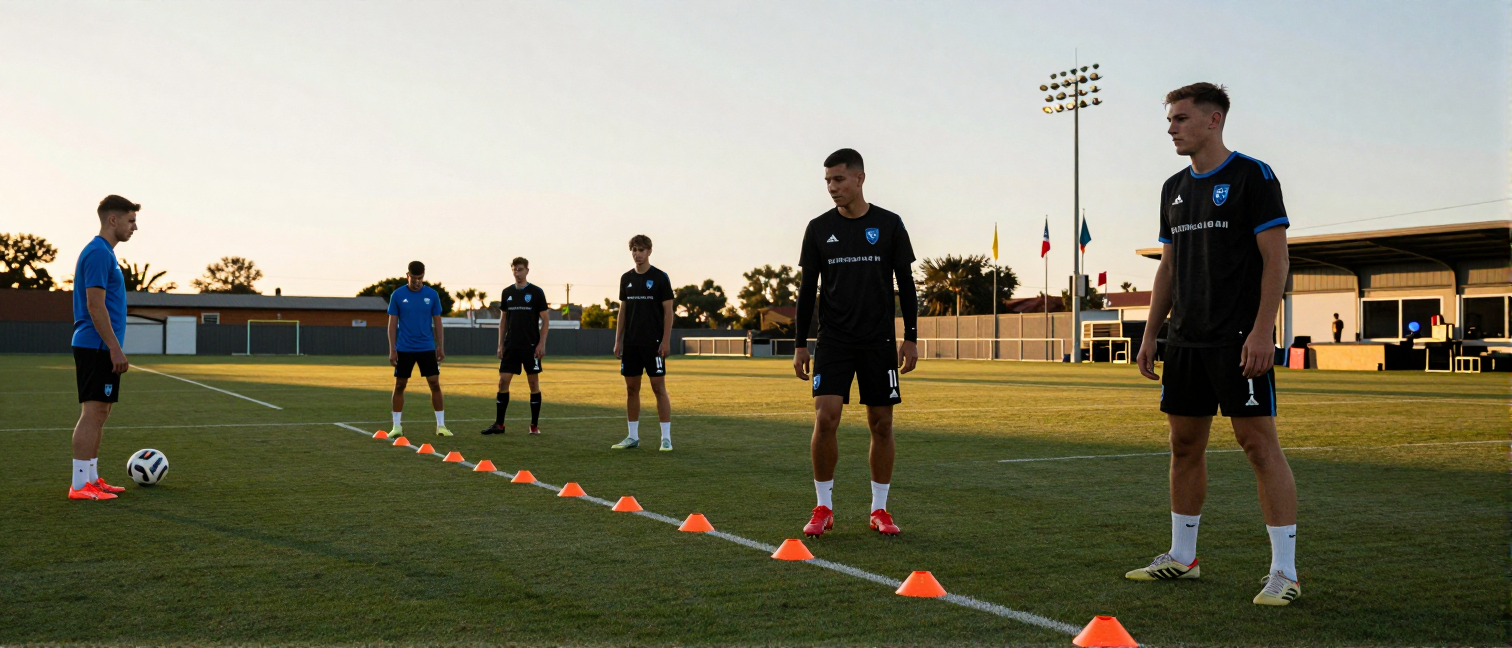
One of the most pressing issues has been the defensive cohesion during transitions. The Quakes tend to struggle when possession is lost, often leaving defenders isolated against counter-attacks. To combat this, a tweak in the pressing structure could be beneficial. Encouraging a more coordinated pressing approach, where forwards and midfielders work in tandem, could prevent opponents from exploiting gaps. By implementing a staggered pressing formation, the Quakes can ensure that they maintain defensive solidity while still applying pressure high up the pitch.
Midfield Dynamics: Balancing Creativity and Stability
In the midfield, the Earthquakes have a wealth of creative talent, but there have been instances where the balance between creativity and defensive duties has leaned too heavily toward the former. Introducing a double pivot in midfield could provide the stability needed to allow attacking players the freedom to express themselves. By deploying a more defensively-minded midfielder alongside a playmaker, the Quakes can better control the tempo of the game and transition more smoothly from defense to attack. This adjustment would help in retaining possession and minimizing turnovers in dangerous areas.
Utilizing Width and Overlapping Fullbacks
Another tactical tweak that could elevate the Quakes' attacking play is the utilization of width through overlapping fullbacks. Currently, the Earthquakes often rely on central play, which can become predictable and congested. By instructing fullbacks to push higher and provide width, the team can stretch opposing defenses and create more space for central attackers. This strategy not only opens up passing lanes but also allows wingers to cut inside, creating goal-scoring opportunities or drawing defenders away from the box.
Set-Piece Strategy
Set pieces have proven vital in closely contested matches, but the Quakes have yet to maximize their potential in this area. A focused strategy on both attacking and defensive set pieces can be a game-changer. For attacking scenarios, incorporating varied routines can keep opposing defenses guessing, while reinforcing zonal marking during defensive set pieces can mitigate the risk of conceding from corners or free-kicks.
Conclusion: A Path Forward
As the San Jose Earthquakes look to solidify their standing and push for a playoff spot, these tactical adjustments could provide the edge needed to secure vital points in the coming weeks. By enhancing their pressing structure, balancing midfield duties, utilizing width effectively, and refining set-piece strategies, the Quakes can harness their strengths and address their weaknesses. The foundation is there, and with the right tweaks, they could emerge as a formidable force as the season progresses.