 San Jose Earthquakes
Tactical Adjustments: Enhancing San Jose Earthquakes' Recent Form
The San Jose Earthquakes have experienced a rollercoaster ride in recent matches, displaying moments of brilliance but also periods of inconsistency. As they strive for a better position in the league standings, it's essential to analyze their tactical approach and explore adjustments that could lead to improved performances. This article delves into the Quakes' recent form and suggests some key tweaks that could elevate their game.
Midfield Stability: The Key to Control
The Earthquakes have often found themselves caught in a battle for midfield control, especially against teams that employ a high-pressing strategy. While the Quakes possess dynamic midfielders capable of switching the play and driving forward, their shape has sometimes been too porous, allowing opponents to exploit gaps.
To remedy this, a more defined double pivot in midfield could provide the necessary stability. Utilizing a combination of a defensive-minded midfielder alongside a more creative playmaker can help maintain possession while also providing support in transition. This adjustment would allow the Earthquakes to dictate the tempo of the game, ensuring they can build up play effectively rather than being pinned back into their own half.
Wing Play: Stretching the Opposition
Another area where the Quakes can improve is in their width of play. While their wingers have shown flashes of brilliance, too often they have been isolated and unable to influence the game. By encouraging overlapping runs from the full-backs, the coaching staff can create more space for the wingers to operate, enabling them to take on defenders one-on-one.
Additionally, ensuring the wingers cut inside can draw defenders out of position, opening up the flanks for the full-backs to exploit. This tactical tweak not only enhances the attacking threat but also provides defensive cover, as the full-backs can quickly recover in case of a counter-attack.
Forward Movement: Enhancing the Attack
The Quakes have struggled with their finishing in recent matches, often failing to convert chances into goals. One potential adjustment lies in the positioning of their forwards. By adopting a more fluid attacking structure, the forwards can interchange positions, confusing opposing defenders and creating openings.
Implementing a target man alongside a second striker who can make runs behind the defense may also enhance their goal-scoring opportunities. This dual-threat approach can stretch defenses and create mismatches, allowing for more clear-cut chances in the final third.
Defensive Cohesion: Strengthening the Backline
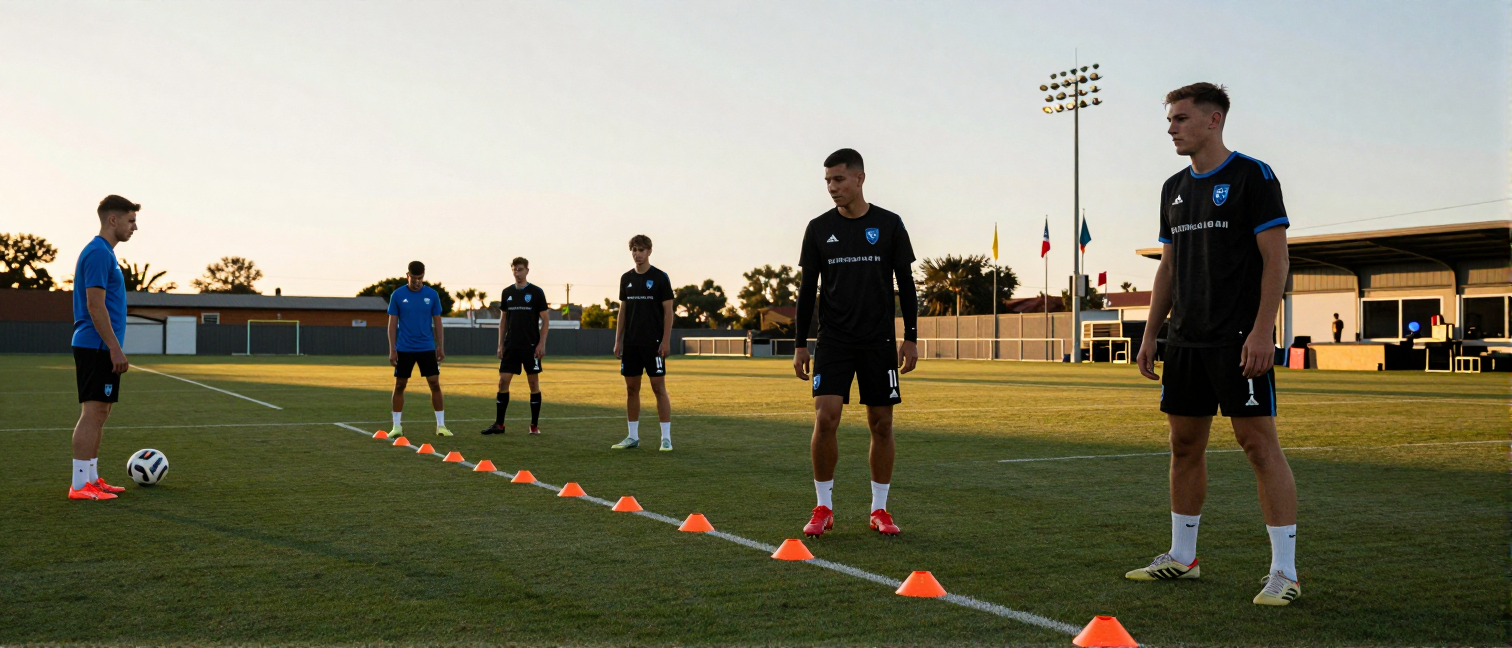
Defensively, the Earthquakes have shown vulnerability, particularly when facing counter-attacks. A shift to a more compact defensive shape when out of possession could help mitigate this issue. Encouraging the outside midfielders to drop back and form a solid line of four can bolster their defense and make it difficult for opponents to penetrate.
Furthermore, emphasizing communication and coordination among defenders is crucial. Regularly practicing defensive drills that simulate high-pressure situations can help improve their ability to respond collectively, reducing individual errors that have led to conceding goals.
Conclusion: A Path Forward
In summary, the San Jose Earthquakes have the foundational talent necessary to compete at a higher level, but tactical adjustments are essential to unlocking their full potential. By focusing on midfield stability, enhancing wing play, refining forward movement, and strengthening defensive cohesion, the Quakes can transform their recent form into a consistent performance. With these changes, the Earthquakes not only stand to improve their league position but also to rekindle the passion and excitement that their fans expect.