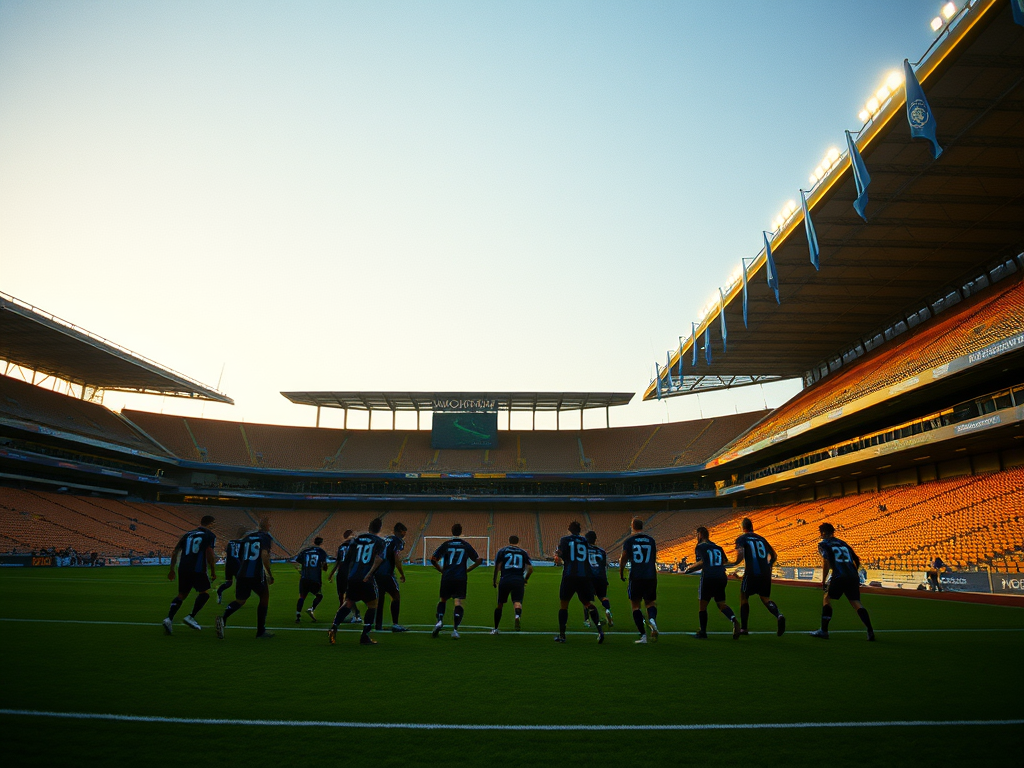
 San Jose Earthquakes Hub
The San Jose Earthquakes have shown glimpses of brilliance in their recent fixtures, but inconsistencies have plagued their ability to secure points. As they navigate a challenging league schedule, a tactical analysis reveals several areas where adjustments could significantly boost their performance.
Current Tactical Setup
The Quakes primarily operate in a 4-3-3 formation, which allows for attacking flexibility and width. However, the midfield has often been overrun, leading to gaps that the opposition has exploited. With the likes of N. Crockford in goal providing a solid backbone, the focus should shift to optimizing the midfield dynamics.
Midfield Cohesion
One of the key tweaks the Quakes might consider is enhancing the cohesion between their midfielders. Currently, the midfield trio sometimes plays too narrowly, limiting options for both ball progression and defensive coverage. Encouraging wider positioning and better spacing could create more passing lanes and facilitate quicker transitions.
Suggested Adjustment
Implementing a double pivot system could be beneficial, allowing one midfielder to hold while the other presses forward to support the attack. This would not only provide better defensive stability but also allow more fluidity in moving the ball forward. Players like Juan Ricketts could thrive in such a setup, using their vision and passing range to unlock defenses.
Defensive Solidity
Defensively, the Earthquakes need to tighten their backline. While the full-backs are often encouraged to push forward, their effectiveness can diminish when the team loses possession. A slight shift to a more conservative role for the full-backs during transitions could help maintain defensive shape and prevent quick counter-attacks, particularly against high-pressing teams.
Incorporating More Width
Another area for improvement is the use of width in the attack. The Quakes have a tendency to congest the center of the pitch, making it easier for opponents to defend. By encouraging wingers to stay wide and stretch the opposition, the Earthquakes can create more space for overlapping runs from full-backs and allow midfielders to exploit pockets of space.
Tactical Substitutions
Moreover, utilizing tactical substitutions more effectively could change the dynamics of a match. Bringing on fresh legs in the second half, particularly midfielders who can press and recover quickly, may help the Quakes maintain their intensity and control in the latter stages of games. This approach would be particularly useful against teams that tend to slow the game down.
Conclusion
In conclusion, while the San Jose Earthquakes have shown potential, strategic tweaks in their formation and player roles could enhance their overall performance. By focusing on midfield cohesion, defensive solidity, and effective use of width, the Quakes can improve their chances of clinching crucial points in the league. With these adjustments, fans can expect a more dynamic and resilient team as the season unfolds.