 San Jose Earthquakes
Fine-Tuning the San Jose Earthquakes' Tactical Approach for Consistency
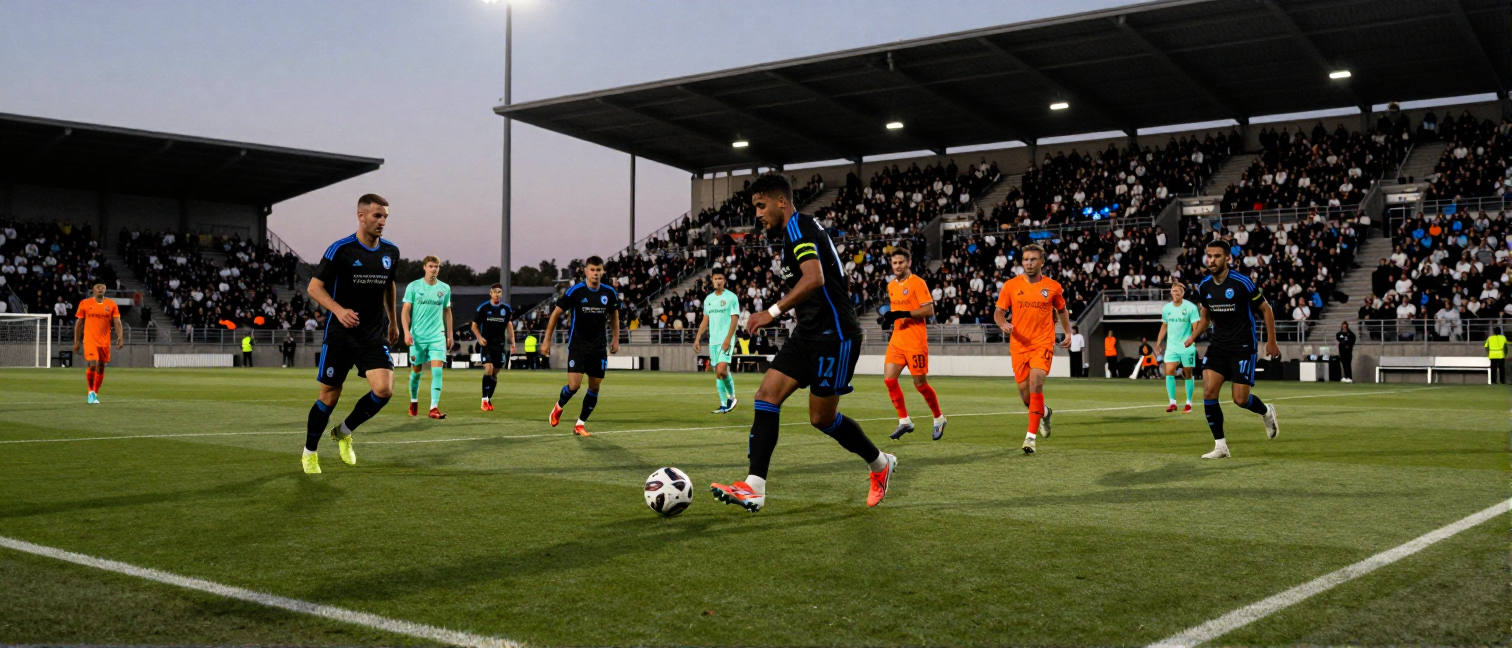
The San Jose Earthquakes have been navigating a challenging phase in their season, marked by inconsistent performances that have left fans both hopeful and frustrated. While the Quakes have shown flashes of brilliance, particularly in their attacking play, a few tactical tweaks could help consolidate their strengths and mitigate vulnerabilities. By focusing on defensive organization, midfield control, and set-piece execution, the Earthquakes can aim for greater consistency in their results.
Defensive Organization: Building a Solid Foundation
Historically, the Quakes have prided themselves on a robust defensive structure, but recent matches have exposed gaps that opponents have exploited. One area for improvement is the central defensive partnership. Currently, there seems to be a disconnect between the center-backs and the defensive midfielders, leading to unmarked runners and space in critical areas.
Suggested Adjustment: Implement a sweeper system where a more experienced center-back plays a deeper role, allowing them to cover the defensive line while providing essential communication. This could alleviate pressure on the full-backs, who often push forward, leaving spaces in behind.
Midfield Control: Dominating the Center
The midfield has been a mixed bag for the Quakes, oscillating between moments of dominance and periods of being overrun. The current formation, which often leaves the midfielders isolated, can lead to lost possession and counter-attacks.
Suggested Adjustment: Transitioning to a three-man midfield could improve ball retention and provide numerical superiority in key areas. With a designated holding midfielder flanked by two box-to-box players, the Quakes can gain better control over possession, allowing for more cohesive build-up play and reducing the risk of being outnumbered during transitions.
Exploiting Set-Pieces: A Hidden Gem
Set-pieces are an underutilized weapon for the San Jose Earthquakes, with the potential for significant impact on matches. While the team has the aerial prowess with players like N. Crockford and K. Awuah, they have not capitalized on these situations in recent games.
Suggested Adjustment: A more structured approach to set-piece routines could lead to increased goal-scoring opportunities. This includes rehearsed plays that exploit specific weaknesses in opponents' defenses, along with a focus on delivering quality balls into the box. By enhancing their set-piece strategy, the Quakes can convert these situations into tangible results.
Conclusion: A Path Forward
In summary, the San Jose Earthquakes have the foundational talent to achieve success, but tactical refinement is essential for unlocking their full potential. By enhancing defensive organization, gaining midfield control, and maximizing set-piece opportunities, the Quakes can build a more cohesive unit capable of consistent performances. As the season progresses, fans will be eager to see how these adjustments play out on the pitch, hoping for a return to the club's winning ways.