 San Jose Earthquakes
Fine-Tuning the Quakes: Tactical Adjustments for Success
The San Jose Earthquakes have shown glimpses of brilliance this season, but consistency has remained elusive. As the team looks to solidify its standing in the league, a closer examination of their recent tactical framework reveals potential adjustments that could lead to more successful outcomes on the pitch.
Current Tactical Setup
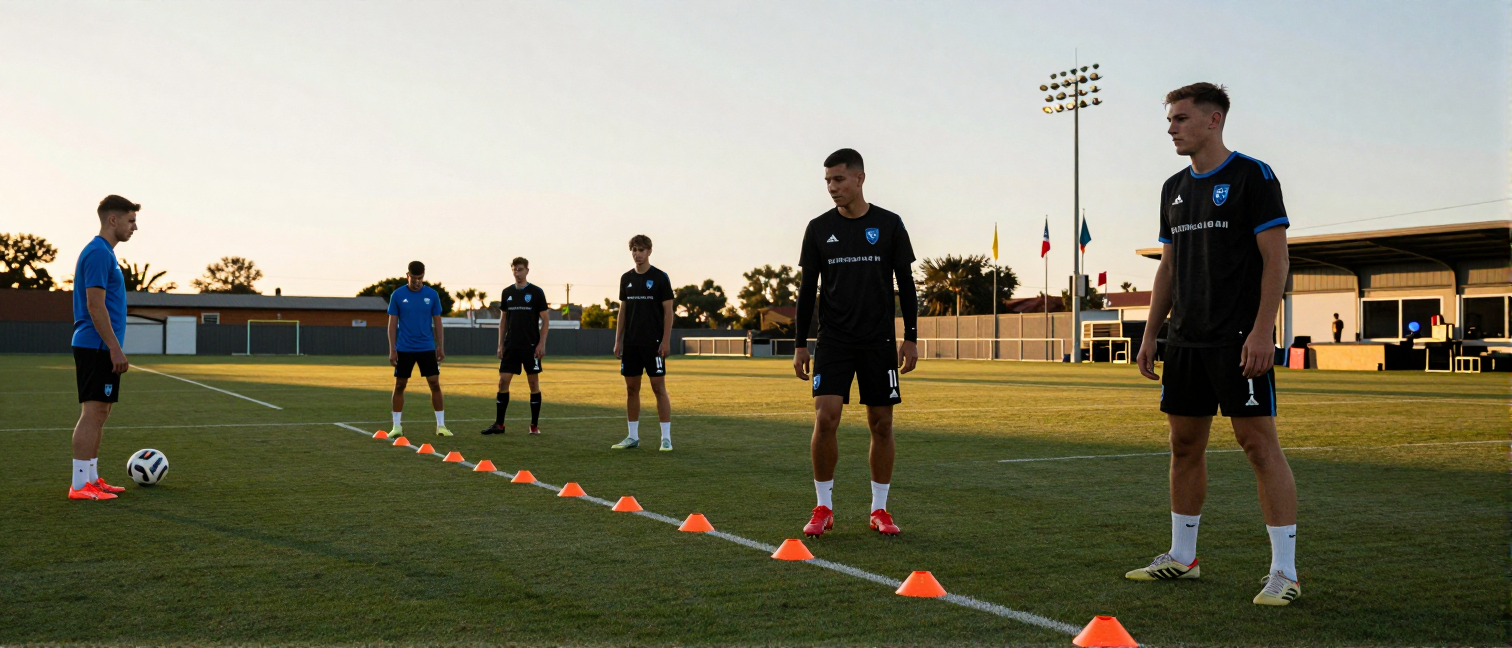
The Quakes have primarily deployed a 4-3-3 formation this season, emphasizing width and pressing high up the pitch. This setup has allowed them to exploit flanks effectively, with wingers cutting inside and full-backs providing overlapping runs. However, the team's recent performances have highlighted a few tactical deficiencies that could be addressed.
Midfield Dynamics
One area that could benefit from a tweak is the midfield structure. While the current setup boasts a trio capable of ball retention and distribution, the lack of a more defensive-minded midfielder has sometimes left the backline exposed. Introducing a more robust holding midfielder could provide the necessary cover, allowing the two more advanced midfielders to push forward without compromising defensive stability. This change would not only shield the defense but also create a more balanced midfield, enabling quicker transitions from defense to attack.
Pressing Strategy
The Quakes have been effective in initiating a high press, particularly against teams that struggle with build-up play. However, this strategy has occasionally left them vulnerable to counter-attacks, especially when the press is bypassed. A more selective pressing approach, focusing on triggers—such as the opposition's first touch or a back pass—could allow the team to maintain its aggressive identity while minimizing risks. By refining the pressing triggers, the Quakes can conserve energy and position themselves better defensively when the press is broken.
Defensive Organization
Defensively, the Quakes have shown resilience but have also been prone to lapses in concentration, leading to conceding avoidable goals. A potential tweak could be to implement a more zonal marking system during set pieces, as it appears that man-to-man marking has sometimes resulted in mismatches. Training on set-piece organization and reinforcing discipline in defensive responsibilities could enhance their overall defensive structure.
Offensive Cohesion
Offensively, while the Quakes have shown the ability to create chances, a clearer understanding of roles in the final third could increase their goal-scoring output. Encouraging the wingers to swap positions more frequently could disorient opposing defenses, creating space for overlapping runs from the full-backs and allowing the forwards to exploit gaps. Additionally, integrating more quick one-two combinations in and around the box could help break down compact defenses that have been a challenge for the Quakes this season.
Conclusion
As the Quakes prepare for crucial matches ahead, these tactical adjustments could prove pivotal in enhancing their performance. By refining their midfield dynamics, pressing strategy, defensive organization, and offensive cohesion, the San Jose Earthquakes can position themselves as a more formidable force in the league. With the right tweaks, the Quakes can harness their potential and make a compelling push for the playoffs.